What is the Gaza ceasefire? And can it last?
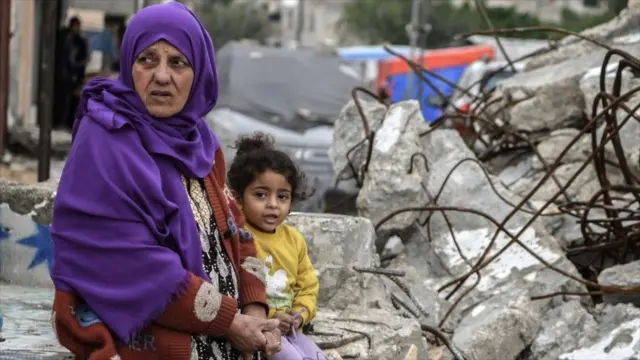
- Jeremy Howell
- BBC World Service Correspondent
Negotiators in Qatar said a ceasefire agreement between Israel and Hamas could be reached "soon" and that indirect talks currently underway in Doha have entered the "final stage."
Qatari Foreign Ministry spokesman Majed al-Ansari told reporters that the main issues of the past few weeks had been resolved and a draft of a possible agreement had been handed to both sides.
But what would a peace plan look like, and to what extent would it be sustainable?
An Israeli government official told the BBC that Hamas and its allies will release 33 Israeli hostages in Gaza.
Meanwhile, the BBC spoke to a Palestinian official who said Israel had agreed to release 1,000 Palestinian prisoners, including around 190 serving sentences of 15 years or more.
He added that in exchange, Hamas would release hostages including women, the elderly, the sick or the injured.
Palestinian reports also indicate that some displaced Gaza residents will be allowed to return to their homes.
At this stage, the two sides were expected to negotiate the terms of a permanent peace deal, but no agreement has yet been reached.
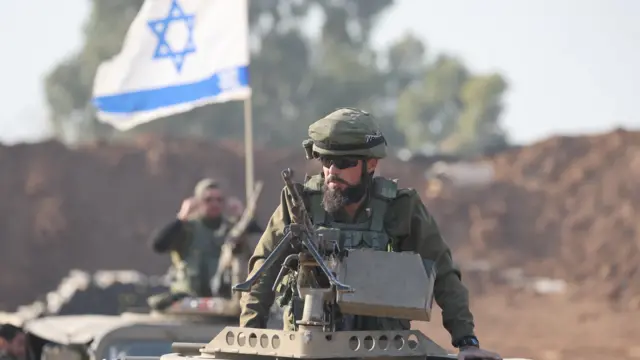
What are the terms of the peace agreement?
The United States drafted the broad terms of a peace agreement in May 2024.
Israeli and Hamas negotiators have been holding indirect discussions in Paris, Cairo and Doha, with diplomats from Qatar, Egypt and the United States acting as mediators.
On Monday night, U.S. President Biden said that he is now "close" to seeing the final results of the three-stage ceasefire plan he proposed last May.
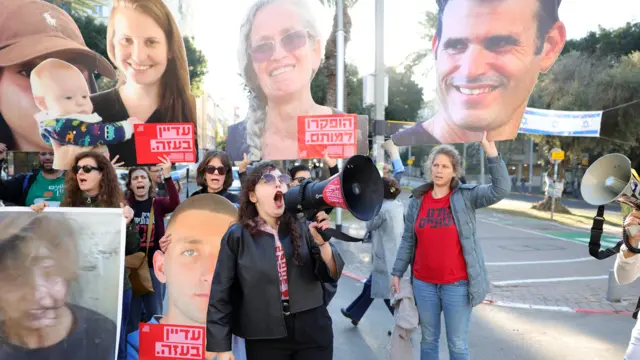
Phase 1: 42-day ceasefire
According to the Palestinian official who spoke to the BBC, Hamas will release three hostages on the first day of the ceasefire.
It has been reported that after this, Israel will begin withdrawing its troops from densely populated areas of Gaza, including the Netzarim Corridor.
A week later, it was reported that Hamas would need to release four more hostages, while Israel would allow displaced Gaza residents from the south to return to their homes in the north.
People walking must follow the coastal road, while those using vehicles or carts can use the central road in the Gaza Strip, which runs parallel to Salah al-Din Road.
It is reported that during this phase, Israeli troops will remain in the Philadelphia Corridor on the southern border of Gaza and Egypt.
According to Reuters, some troops will withdraw from parts of Gaza in the first few days of the ceasefire.
The Rafah crossing between Egypt and Gaza will be gradually opened to allow the sick and injured to leave.
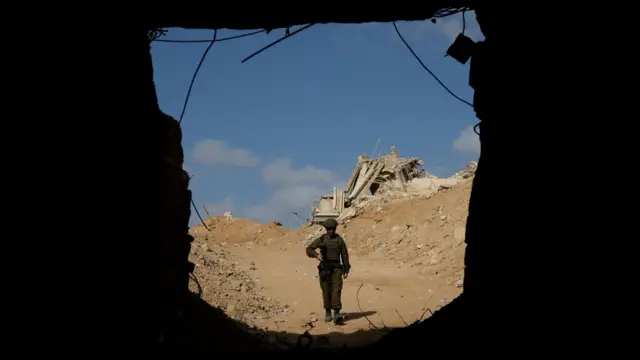
Israel will reportedly maintain an 800-meter-wide buffer zone on Gaza's eastern and northern borders with Israel.
During this phase, Hamas and its Gaza-based ally, the Palestinian Islamic Jihad (PIJ), are said to be releasing a total of 33 hostages.
Israel is expected to release more than 1,000 Palestinian prisoners and detainees, including those serving long prison sentences for deadly attacks. Palestinian officials who spoke to the BBC put the number at 1,000.
The report stated that Hamas militants involved in the attack on Israel on October 7, 2023 will not be released.
On the 16th day of the ceasefire, Israel and Hamas are expected to begin negotiations on the details of the second and third phases of the peace agreement.
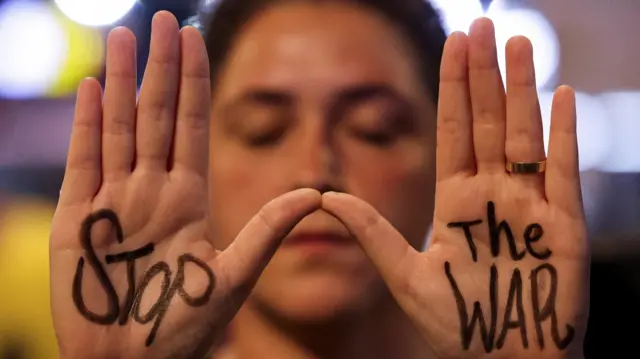
Phase 2: Return the remaining hostages to Israel
In the second phase, the remaining hostages will be released, including male soldiers and young male civilians, and the bodies of the deceased hostages will be returned.
Israel said there are still 94 hostages held in Gaza, 34 of whom are believed to be dead, in addition to four Israelis who were kidnapped before the war, two of whom are dead.
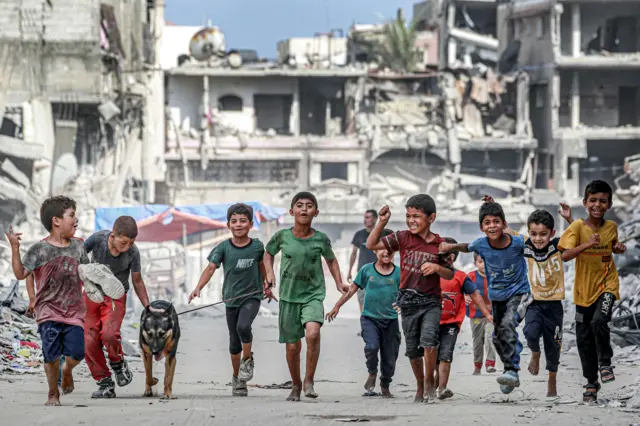
Phase 3: Rebuilding Gaza
The third phase of the ceasefire plan is expected to rebuild Gaza, much of which is now in ruins.

What else has not been decided?
Israel and Hamas have yet to reach an agreement on the second and third phases of the ceasefire, which will begin on the 16th day of the initial ceasefire.
However, some key differences remain to be resolved, one of which is over who will be in charge of Gaza.
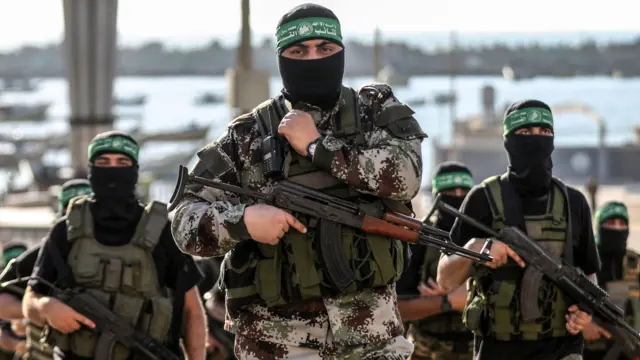
Israel refuses to allow Hamas to continue to govern Gaza, nor does it want the Palestinian Authority, which currently governs parts of the Israeli-occupied West Bank, to take over Gaza.
Furthermore, Israel wants to retain security control over Gaza after the conflict ends.
However, Israel is working with the United States and the UAE on a plan for an interim administration to govern Gaza while the Palestinian Authority reforms, followed by a reformed government taking over as permanent authority.
Hamas may fear that after the first phase of hostage releases, Israel might withdraw from the process of developing a permanent agreement.
Even if Israeli Prime Minister Benjamin Netanyahu agrees to pursue a peace process with Hamas, he may not be able to convince the rest of his cabinet to support the plan.
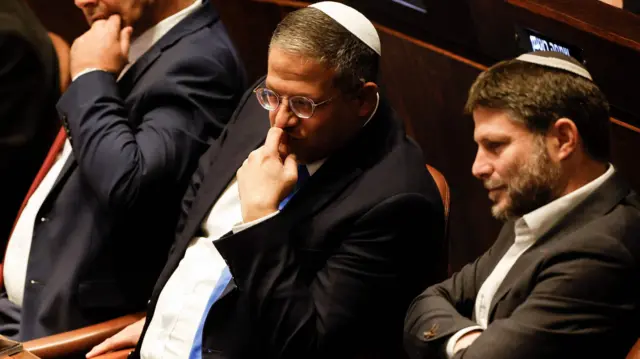
This was opposed by Israel's Finance Minister Bezalel Smotrich and National Security Minister Itamar Ben-Gvir.
Beth Motrich said on social media that the agreement would have a "catastrophic" impact on Israel's national security and that he would refuse to support the plan.
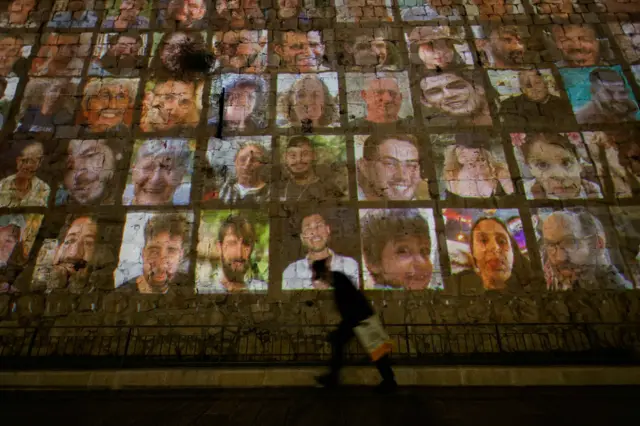
The war was triggered by a Hamas attack on southern Israel on October 7, 2023, in which about 1,200 people were killed and another 251 were taken hostage to Gaza.
Israel responded by launching a military offensive against Gaza, intending to destroy Hamas.
As of January 14, the Hamas-run Gaza Health Ministry said the fighting had killed more than 46,640 people.


Comments
Post a Comment