Three factors that could lead to a hostage deal in Gaza
- Lucy Williamson
- BBC Middle East correspondent
- Reporting fromJerusalem
A ceasefire and hostage release deal in Gaza has been on the table since May, but now the framework is being discussed in indirect talks between Israel and Hamas in Doha - why, after eight months of war, are there new hopes that the deal might succeed?
Several factors have changed – both politically and on the ground.
The first is the election of Donald Trump as the next President of the United States.
He threatened that "hell will come" if the hostages were not released before he takes office on January 20.
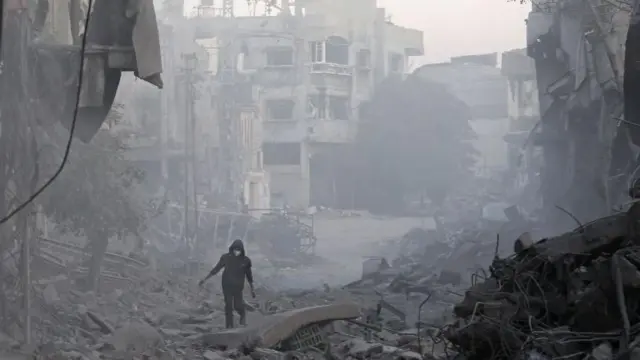
Hamas is likely to see this as a signal that even if the Biden administration manages to restrict certain actions of the Israeli government, they may be lifted after Trump takes office - although it is hard to imagine what this means for the Gaza Strip, which has been devastated by 15 months of war.
Israel has also felt pressure from Trump to end the Gaza conflict, which would affect not only Trump's plans to promote a larger regional agreement, but also his image as a president who ended the war.
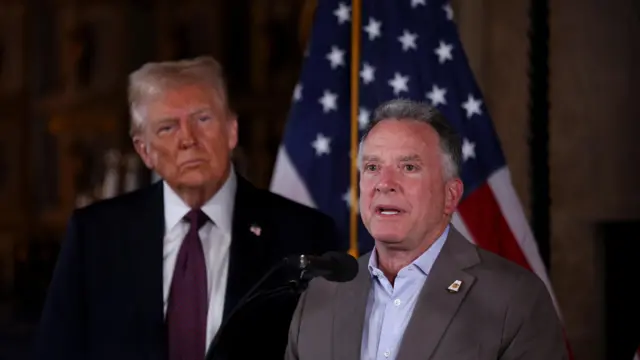
Israeli Prime Minister Benjamin Netanyahu, on the other hand, faces continued pressure from his far-right coalition allies to continue the war.
However, Trump could also be an asset to him, helping convince these far-right allies to accept the deal and stay in government. The new US president, as well as his choice of ambassador to Israel, are seen as supportive of Israeli settlements in the occupied West Bank, while Israel's far-right Finance Minister Bezalel Smotrich has said he wants to annex the region.
However, after the meeting with the prime minister, Smotrich seemed unconvinced, writing on social media that the current deal was a "disaster" for Israel's national security and that he would not support it.
But some in Israel believe Smotrich and his far-right ally, National Security Minister Itamar Ben-Gvir, see their current role in Israel's government as their best chance to consolidate their control over the West Bank, especially if Trump returns to the White House and is unlikely to follow through on their threats to resign.
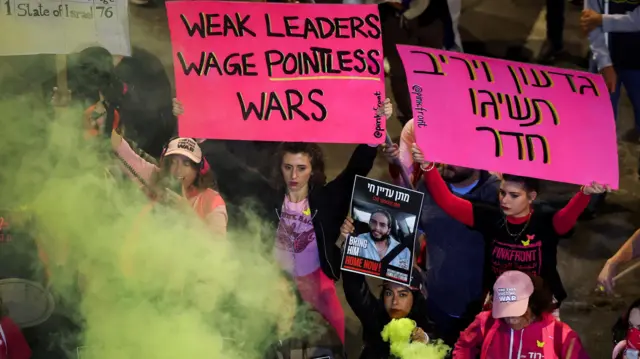
The second change is the pressure Netanyahu faces from Israel's military establishment.
Key military figures have reportedly challenged Netanyahu on multiple occasions, questioning whether the military objectives of continuing the war are justified — especially after eliminating top Hamas leaders and destroying Gaza’s infrastructure.
The deaths of 10 Israeli soldiers in Gaza last week highlighted once again the cost of the war for Israel and the long-standing question of whether Netanyahu’s promised “complete victory over Hamas” can be achieved.
Some analysts now believe that Hamas is rebuilding faster than Israel can strike against it, and that Israel needs to rethink its strategy.
Hamas’ allies in Iran’s “axis of resistance,” from Hezbollah in Lebanon to the regime of Bashar al-Assad in Syria, have been weakened and declining since the killing of Hamas leader Yahya Sinwar in Gaza.
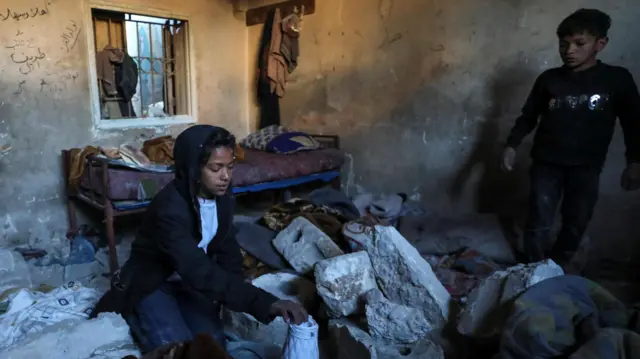
For all these reasons, now is seen as the best opportunity in months to bridge the gap between Israel and Hamas and end the war.
But what has remained unchanged over the past eight months of negotiations are the major differences between the two sides.
The key issue is that Hamas' main concern is to end the war, while Israel wants to keep the possibility of resuming the war, whether for political or military reasons.
As outlined by President Joe Biden in May, the deal is divided into three phases, with only the second phase achieving a permanent ceasefire.
Success now may depend on finding guarantees to allay Hamas's fears that Israel will withdraw from the deal after the first phase of hostage releases.
It is also unclear how to manage the territories in the areas from which Israel withdraws.
But the diplomatic network that has developed across the region over the issue over the past week, along with Netanyahu’s dispatch of the head of Israel’s security agency and a key political adviser to Doha for talks, are encouraging signs.
Likewise, Palestinian detention coordinator Qadoura Fares has travelled to Doha.
No deal has been reached yet — and talks have broken down before.
But now the old deal is inspiring new hopes, in part because the negotiations are taking place in a new regional context and with growing pressure from both at home and from key allies abroad.


Comments
Post a Comment